

Introduction
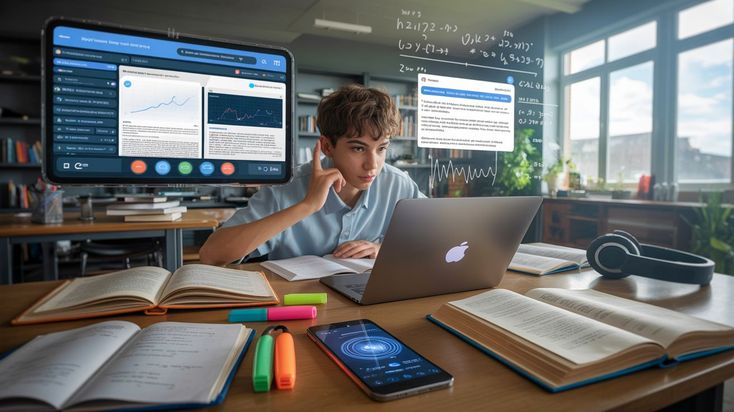
A physics math tutor is a teacher who helps students learn physics and math in a simple way. These two subjects work together, so many students find both of them hard at the same time. You may struggle with formulas, homework, test questions, or low grades. A good tutor can explain each topic step by step until it makes sense.
This guide will help you understand what a physics math tutor does, who needs one, and how tutoring can improve learning. You will also learn how to tell if you need extra help and what to expect from tutoring. By the end, you will know if tutoring is the right choice for your learning goals.
Physics Math Tutor at a Glance
Quick Facts
| Topic | Details |
| Main job | Teaches physics and math in a simple, step-by-step way |
| Subjects | Math, algebra, geometry, calculus, mechanics, electricity, motion, and more |
| Lesson types | Online or in person |
| Best for | School students, college students, adult learners, and exam preparation |
| Main goals | Better understanding, stronger problem-solving skills, higher grades, and more confidence |
A physics math tutor gives personal support that is hard to get in a busy classroom. Lessons move at your speed instead of following the class pace. This gives you more time to ask questions and practice difficult topics.
What Is a Physics Math Tutor?
A physics math tutor teaches both physics and math because the two subjects are closely connected. Physics explains how things move, change, and work in the world around us. Math helps solve the questions found in physics.
Many students find physics difficult because they are not fully comfortable with math. A tutor helps build skills in both subjects so learning becomes easier.
How Physics and Math Work Together
Physics uses math to explain ideas with numbers and formulas. For example, finding the speed of a moving car means using a formula and solving a math problem. If the math is wrong, the physics answer will also be wrong.
Many physics topics need algebra, graphs, and simple equations. As students move to higher grades, they may also use geometry or calculus. Strong math skills make physics much easier to understand.
When students learn how these subjects connect, they stop seeing them as two separate classes. Instead, they learn how math helps explain real-life science.
Why Many Students Need Help With Both Subjects
Many students understand part of a lesson but become confused when formulas appear. Others know the math but do not understand what the physics question is asking.
Sometimes students miss one lesson because they are sick or busy. A small learning gap can grow over time because each new lesson builds on earlier topics.
Some students also feel shy about asking questions in class. They may worry about giving the wrong answer. A tutor gives them a safe place to ask questions, make mistakes, and learn without pressure.
What a Tutor Does During Lessons
A tutor first learns what the student already knows. This helps them find weak areas that need more practice.
Next, the tutor explains one idea at a time using simple words and easy examples. After that, the student solves practice questions while the tutor watches and gives helpful feedback.
If the student makes a mistake, the tutor explains why it happened and shows the correct method. This helps students understand the process instead of only remembering the answer.
Most tutors also help with homework, classwork, and exam preparation. Their goal is to help students become confident enough to solve problems on their own.
Signs You May Need a Physics Math Tutor
Many students need extra help at some point. Getting support early can stop small problems from becoming bigger ones.
Falling Behind in Class
If new lessons seem harder every week, you may be falling behind. You might spend a long time on homework but still feel confused.
A tutor can review older topics before teaching new ones. This fills learning gaps and helps you catch up with your class.
Struggling With Problem Solving
Some students understand a lesson but cannot solve questions without help. They may not know which formula to use or where to start.
A tutor teaches a simple way to solve problems. First, read the question carefully. Next, find the important information. Then choose the correct formula and solve the problem step by step.
With regular practice, students become faster and more confident when solving new questions.
Preparing for Exams
Exams often cover many chapters at once. Without a clear study plan, students may waste time studying topics they already know while missing weaker areas.
A tutor helps organize study time. Hard topics get more attention, while easier ones are reviewed quickly. Students also practice questions that are similar to those found on exams.
This steady practice helps students feel calmer and better prepared on test day.
Losing Confidence in Physics or Math
Many students begin to think they are “bad” at physics or math after getting low marks. This can make them afraid to answer questions or try difficult work.
A tutor helps rebuild confidence through small successes. Each solved problem shows the student that they are improving.
As confidence grows, students become more willing to ask questions, solve harder problems, and keep learning.
Who Should Hire a Physics Math Tutor?
A physics math tutor can help learners of different ages. The amount of support each person needs depends on their goals and current skills.
School Students
School students often need tutoring when physics lessons become more mathematical. Topics such as motion, force, energy, and electricity use formulas that depend on good math skills.
A tutor explains these ideas in smaller steps than a classroom teacher may have time for. Students also get extra practice that matches what they are learning at school.
This support helps improve homework, quizzes, classroom understanding, and exam results.
College and University Students
College physics and math courses often move quickly. Students are expected to solve longer and more difficult problems with less classroom support.
A tutor can explain complex topics in a simple way and help students understand each step before moving forward.
This extra support is useful for students studying engineering, computer science, science, technology, and other subjects that require strong math and physics skills.
Adult Learners
Some adults return to school after many years. Others study physics or math to improve their job skills or prepare for a new career.
It is normal to forget topics that were learned a long time ago. A tutor helps adults review old lessons before teaching new ones.
Because adult learners have different goals, lessons can focus on the topics that matter most to them.
When Self-Study May Be Enough
Not every student needs a tutor. If you understand your lessons, complete homework without much trouble, and do well on tests, self-study may be enough.
Books, practice questions, trusted learning websites, and educational videos can help you improve your skills. Regular practice is the key to learning.
However, if you stay confused after studying on your own, or if your grades continue to fall, a physics math tutor can give you the personal help you need to move forward.
How to Choose the Right Physics Math Tutor
Choosing the right physics math tutor is important. A tutor should know the subjects well and explain them in a way that is easy to understand. The best tutor helps you learn, not just finish homework. They teach at your pace and make sure you understand each step before moving on.
Before you choose a tutor, think about your goal. You may want better grades, help with homework, or support before an exam. Knowing your goal will help you find a tutor who is the right fit.
Skills Every Good Tutor Should Have
A good tutor should have strong knowledge of physics and math. They should explain hard ideas with simple words and easy examples. If a student does not understand, the tutor should be willing to explain the lesson in a different way.
Patience is also important. Students learn at different speeds, and a good tutor never rushes the lesson. They give students enough time to think, ask questions, and practice.
A good tutor also changes lessons to match the student’s needs. Some students learn best by solving questions. Others learn better with pictures, diagrams, or real-life examples. A flexible tutor uses different teaching methods to help every student succeed.
Questions to Ask Before Hiring
Before choosing a tutor, ask a few simple questions. Their answers will help you decide if they are the right person for you.
- What physics and math levels do you teach?
- How do you explain difficult topics?
- How do you check a student’s progress?
- Do you give practice work between lessons?
- How do you help students who are falling behind?
A good tutor should answer these questions clearly. They should also explain how they plan lessons and help students reach their learning goals.
Common Mistakes to Avoid
One common mistake is choosing a tutor only because they charge less. Low cost may seem like a good choice, but teaching quality is more important. A skilled tutor can help you learn faster and avoid confusion.
Another mistake is expecting quick results. Physics and math take time to learn. Most students improve through regular lessons and steady practice.
Some students also forget to set clear goals. Without goals, it is hard to know if tutoring is helping. Simple goals, such as improving test scores or understanding a difficult chapter, make it easier to measure progress.
Online vs In-Person Physics Math Tutor
Both online and in-person tutoring can help students learn well. The right choice depends on your learning style, daily schedule, and personal preference.
Benefits of Online Tutoring
Online tutoring lets students learn from home. This saves travel time and makes it easier to fit lessons into a busy day.
Many online lessons use digital whiteboards, shared screens, and online practice tools. These features help tutors explain questions clearly. Some tutors also share lesson notes after class so students can review them later.
Online tutoring also gives students more choices because they can learn from tutors in different cities or countries.
Benefits of In-Person Tutoring
In-person tutoring allows students and tutors to work together in the same room. Some students find it easier to stay focused during face-to-face lessons.
The tutor can quickly see where the student is having trouble and explain the answer right away. Students who enjoy direct discussion often feel more comfortable asking questions during in-person lessons.
Which Option Is Best for Different Learning Styles?
There is no single answer for everyone. Students who are comfortable using a computer and working on their own often enjoy online lessons.
Students who learn better through face-to-face discussion may prefer in-person tutoring. If you are unsure, try one lesson in each format. Then choose the one that helps you learn best.
How to Get the Best Results From Tutoring
A tutor can guide you, but your own effort is just as important. Good study habits help you learn faster and remember what you study.
Prepare Before Each Lesson
Spend a few minutes reviewing your last lesson before meeting your tutor. Bring your class notes, homework, and any questions you want to ask.
This helps the tutor understand where you need help. It also saves time because you can start learning right away.
Practice Between Sessions
Practice is one of the best ways to improve in physics and math. Solve different types of questions instead of reading the same notes again and again.
When you make a mistake, do not ignore it. Go back, find the error, and solve the question again. Learning from mistakes helps you improve faster.
Track Your Progress
Keep a notebook or checklist of the topics you have finished. Mark the lessons you understand well and the ones that still need more practice.
Looking at your progress can help you stay motivated. It also shows your tutor which topics need more attention.
Build Long-Term Study Habits
Study a little each week instead of waiting until the day before a test. Short study sessions are easier to manage and help you remember more.
Review older lessons from time to time. This keeps important ideas fresh in your mind and makes future topics easier to understand.
Alternatives to a Physics Math Tutor
A tutor is not the only way to learn. Some students improve through other learning methods. The best choice depends on your learning needs.
Self-Study Resources
Many students learn well by using textbooks, practice books, trusted learning websites, and educational videos. These resources let you study whenever you have free time.
Self-study works best for students who stay organized and practice regularly.
School Support Programs
Many schools offer extra help after class. Teachers may hold review lessons, homework clubs, or exam practice sessions.
These programs give students another chance to ask questions and improve their understanding without private tutoring.
Study Groups
Studying with classmates can make learning easier. Students can explain ideas to each other, solve questions together, and share different ways to solve the same problem.
A study group works best when everyone joins the discussion, stays focused, and respects each other’s ideas.
When a Tutor Is Still the Better Choice
Sometimes books, videos, or study groups are not enough. A student may still struggle with difficult topics or need more personal support.
A tutor gives one-on-one attention and explains lessons based on the student’s needs. This personal help often makes learning easier and saves time.
Why Choosing the Right Physics Math Tutor Matters
The right tutor does more than help students pass a test. They teach skills that help students in school, college, and future careers.
Better Understanding Instead of Memorization
Some students try to remember formulas without knowing why they work. This can make new questions harder to solve.
A good tutor explains the meaning behind each formula. When students understand the idea, they can solve different types of questions with greater confidence.
Improved Confidence and Grades
As students understand more topics, they begin to enjoy learning. Homework becomes easier, classwork feels less stressful, and test scores often improve.
Each success builds confidence. Students become more willing to ask questions and try harder problems.
Stronger Foundation for Future Studies
Physics and math are important for many careers, such as engineering, science, technology, and medicine. Learning these subjects well now makes future study much easier.
Strong basic skills also help students understand advanced lessons more quickly because each new topic builds on what they already know.
Conclusion
A physics math tutor can help you understand difficult lessons, improve your problem-solving skills, and build confidence in both physics and math. With the right support, hard topics become easier to learn, and regular practice becomes more effective.
Before choosing a tutor, think about your learning goals and compare your options carefully. Ask questions about the tutor’s teaching style, experience, and lesson plan. The right tutor will match your learning needs, help you reach your goals, and give you skills that will support your success in future studies.
Read More Johnny Mathis Wife
Frequently Asked Questions
How often should I meet with a physics math tutor?
Many students do well with one or two lessons each week. If you are preparing for an important exam or need to catch up quickly, you may need more lessons for a short time.
Can one tutor teach both physics and math?
Yes. Many tutors teach both subjects because physics uses math in many topics. Learning both subjects from one tutor can make lessons more connected and easier to understand.
Is online tutoring as effective as in-person tutoring?
Yes. Online tutoring can work just as well if you have a good internet connection, a quiet place to study, and take part in each lesson. The best choice depends on how you learn best.
How long does it take to see improvement?
Every student learns at a different speed. Some students notice better understanding within a few weeks. Better grades usually come after regular practice and steady effort over time.
What should I look for before hiring a tutor?
Choose a tutor who knows the subjects well, explains ideas clearly, listens carefully, and is patient. It also helps if the tutor has experience teaching students at your learning level.
