

Introduction
Looking for the Best Mondongo Soup Near Me?
Searching for the best mondongo soup near me can feel harder than expected. You may find many restaurants, but not all of them serve fresh, rich, and traditional mondongo. Some places only offer it on certain days, while others make it in a style that may not match your taste.
If you are trying mondongo for the first time or looking for a better place than your usual spot, this guide can help. You will learn how to find authentic restaurants, what makes a great bowl of mondongo, and what to expect before you order.
Common Problems When Choosing a Restaurant
Many people struggle to know which restaurant is worth visiting. Online ratings may not tell the full story, and food photos can sometimes look better than the meal you receive. A restaurant may also have great reviews but serve a different style of mondongo than the one you want.
Another common problem is that mondongo is not available every day. Some restaurants prepare it only on weekends or as a daily special. Calling ahead or checking the menu online can save you time and help you avoid disappointment.
What You’ll Learn in This Guide
This guide explains what mondongo soup is, why it is loved across Latin America, and how to find a restaurant that serves a flavorful and authentic bowl. You will also learn about the different regional styles, how to spot quality ingredients, and how to choose a restaurant that fits your needs.
Quick Facts About Mondongo Soup
What It Is
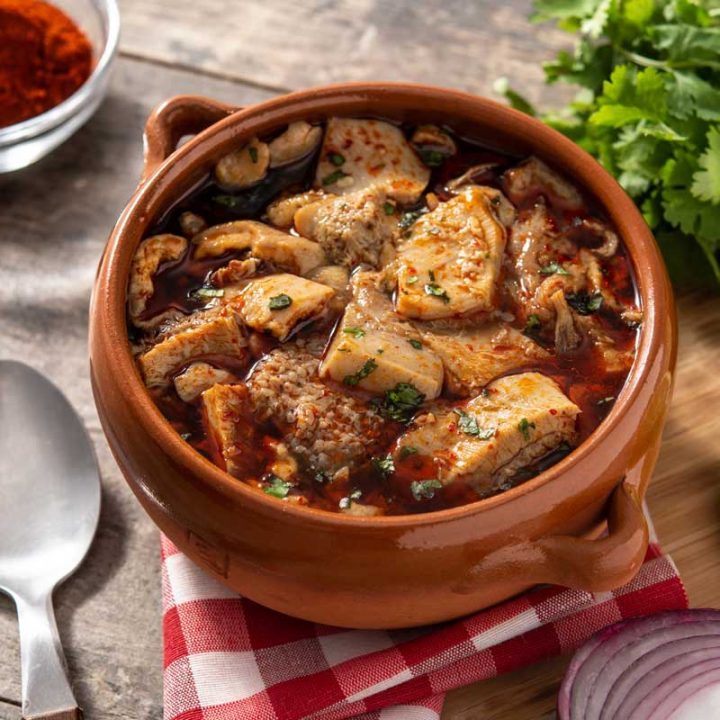
Mondongo is a hearty soup made mainly with beef tripe. It is slowly cooked with vegetables, herbs, and seasonings until the meat becomes soft and the broth becomes rich and full of flavor.
Main Ingredients
The exact recipe changes by country, but many bowls include cleaned beef tripe, potatoes, carrots, onions, garlic, peppers, tomatoes, cilantro, and spices. Some recipes also include corn, cassava, plantains, or other local vegetables.
Countries Where It Is Popular
Mondongo is enjoyed in many Latin American countries. It is especially popular in Colombia, the Dominican Republic, Puerto Rico, Honduras, Panama, Nicaragua, and several other countries. Each place has its own way of preparing the soup.
Typical Flavor and Serving Style
Mondongo has a rich, savory taste with a slow-cooked broth that is both filling and comforting. It is often served hot with white rice, avocado, lime, fresh bread, or corn tortillas, depending on the country and restaurant.
What Is Mondongo Soup?
A Simple Definition
Mondongo is a traditional soup made with beef tripe, which comes from the cow’s stomach. Before cooking, the tripe is cleaned carefully and then simmered for several hours until it becomes tender. The slow cooking helps the broth develop a deep and satisfying flavor.
The soup is usually prepared in large pots because it takes time for all the ingredients to blend together. Families often enjoy it during weekend meals, holidays, or special gatherings because it is both filling and comforting.
Why It Is Popular Across Latin America
Mondongo has been enjoyed for many generations because it is a warm meal that brings people together. Many families pass down their own recipes, adding local vegetables and spices that have become part of their traditions.
The soup is also known for being a complete meal. With meat, vegetables, and a flavorful broth in one bowl, it can satisfy both hunger and comfort at the same time. Many restaurants proudly serve their own family recipe, making each bowl a little different.
Why Every Country Makes It a Little Differently
Although the main ingredient stays the same, every country has developed its own version of mondongo. Local produce, cooking traditions, and family recipes all influence the final dish.
Some recipes are thick and full of vegetables, while others have a lighter broth. Certain regions enjoy stronger herbs or a little heat from peppers, while others focus on simple seasoning that lets the slow-cooked broth stand out. These differences give travelers and food lovers many styles to explore.
How to Find the Best Mondongo Soup Near Me
Use Google Maps and Local Search Effectively
One of the easiest ways to find good mondongo is by searching online using your location. Search for “best mondongo soup near me” and look through the restaurants that appear on the map. Restaurants with many recent reviews usually provide a better picture of the dining experience.
Open each restaurant listing and check the menu if it is available. Some restaurants clearly mention when mondongo is served, while others list it only as a weekend or daily special. Looking at opening hours can also help you avoid visiting when the restaurant is closed.
Read Reviews That Mention Taste and Freshness
Not every review is equally helpful. Instead of looking only at the star rating, read comments written by people who actually ordered the mondongo.
Pay attention to reviews that mention the tenderness of the tripe, the flavor of the broth, portion size, and freshness of the ingredients. If many people praise the same qualities over several months, it is usually a good sign that the restaurant prepares the soup consistently.
Reviews can also tell you whether the soup tastes homemade or if it seems rushed. Honest customer experiences often provide details that menus cannot.
Check Photos Before You Visit
Photos can tell you a lot about the food before you arrive. Look for bowls with colorful vegetables, a rich broth, and generous portions of meat. Fresh herbs, clean presentation, and well-cooked ingredients are usually signs that the restaurant cares about quality.
Customer photos are often more helpful than promotional pictures because they show what diners actually received. If several recent photos look appealing, you can feel more confident about your choice.
Look for Traditional Latin American Restaurants
Restaurants that specialize in Latin American food often prepare mondongo using traditional recipes. Family-owned restaurants are especially known for serving dishes made from recipes passed down through generations.
Check whether the menu includes other classic dishes from the same country. A restaurant that focuses on traditional cooking is more likely to prepare mondongo with the time, care, and ingredients needed for authentic flavor.
How to Recognize an Authentic Bowl of Mondongo
Fresh, Tender Tripe
Good mondongo begins with properly cleaned beef tripe. The tripe should be soft enough to chew easily without becoming mushy or rubbery. Achieving this texture takes patience because it must cook slowly for several hours.
Fresh tripe should not have an unpleasant smell. When prepared correctly, it blends naturally with the broth and other ingredients instead of standing out with a strong taste.
Rich, Slow-Cooked Broth
The broth is one of the easiest ways to judge the quality of mondongo. A well-made broth has deep flavor because it has been simmered for a long time with vegetables, herbs, and seasonings.
The liquid should taste balanced rather than overly salty or watery. Every spoonful should carry the flavor of the ingredients without needing extra seasoning at the table.
Traditional Vegetables, Herbs, and Seasonings
Authentic mondongo usually contains fresh vegetables that cook together with the broth instead of being added at the last minute. Potatoes, carrots, peppers, onions, tomatoes, and garlic are common ingredients in many recipes.
Fresh cilantro is often added before serving to bring a bright finish to the soup. The herbs and spices should support the broth instead of hiding its natural flavor.
Homemade Side Dishes
Many restaurants serve mondongo with side dishes that complete the meal. Fresh white rice, sliced avocado, warm bread, corn tortillas, or lime wedges are common choices depending on the region.
Homemade sides often show that the restaurant pays attention to the full dining experience. Freshly prepared accompaniments can make the meal even more enjoyable and help balance the rich taste of the soup.
Popular Types of Mondongo Soup
Colombian Mondongo
Colombian mondongo is known for its thick and hearty texture. It often includes potatoes, carrots, peas, tomatoes, onions, garlic, and cilantro. Many versions are served with white rice, avocado, banana slices, and arepas.
The broth is rich but usually not very spicy. This style is a favorite for people who enjoy filling meals packed with vegetables and slow-cooked flavor.
Dominican Mondongo
Dominican mondongo has a rich broth with bold seasoning. Lime juice, garlic, peppers, onions, and herbs help create a bright and flavorful taste. Some recipes include vegetables that add extra texture and make the soup even more satisfying.
Many families enjoy this version during weekend gatherings or special celebrations. It is often served with rice and fresh avocado to complete the meal.
Puerto Rican Mondongo
Puerto Rican mondongo often combines beef tripe with vegetables such as potatoes, carrots, squash, and root vegetables. The broth is seasoned with garlic, herbs, and traditional spices that give it a comforting flavor.
Many recipes are slow cooked until all the ingredients become tender. The result is a balanced soup that is both rich and easy to enjoy.
Honduran and Panamanian Styles
Both Honduras and Panama have their own versions of mondongo. While the recipes differ, they usually include fresh vegetables, herbs, and carefully cooked tripe. Some versions have a lighter broth, while others are thicker and more filling.
Local ingredients help create unique flavors that reflect each country’s food traditions. Trying these styles can be a great way to experience something different while still enjoying the classic taste of mondongo.
Which Style May Be Best for You
The best style depends on your personal taste. If you enjoy thick soups filled with vegetables, the Colombian version may be your favorite. If you like brighter seasoning, the Dominican style could be a better match.
If you prefer a balanced, comforting bowl with plenty of vegetables, Puerto Rican mondongo is worth trying. Exploring different regional styles is one of the best parts of enjoying this traditional dish because every bowl offers a slightly different experience.
How to Choose the Right Restaurant
Best for First-Time Visitors
If you have never tried mondongo before, choose a restaurant that is known for traditional Latin American food. Restaurants with many positive reviews about their mondongo are often a safer choice for your first visit. Reading comments from other diners can help you know what to expect before you order.
It is also helpful to start with a restaurant that serves a classic version of the soup instead of one with many changes. A traditional recipe lets you enjoy the original taste and learn why so many people love this dish. If you are unsure, ask the staff which version they recommend for first-time guests.
Best for Families
Many Latin American restaurants are family-friendly and serve large portions that are easy to share. Some places offer family meals with soup, rice, fresh bread, and side dishes, making them a good choice for group dining.
Before you visit, check if the restaurant has enough seating and a comfortable dining area. Families with young children may also want to ask if milder food options are available. A welcoming restaurant with friendly service often makes the meal even more enjoyable.
Best for Traditional Flavor
If authentic flavor is your top priority, look for restaurants that prepare mondongo using traditional recipes and fresh ingredients. Family-owned restaurants often take pride in slow-cooking the broth and preparing the soup the same way for many years.
A menu filled with classic dishes from one country can also be a good sign. Restaurants that specialize in one regional cuisine usually pay close attention to authentic cooking methods instead of making quick or heavily changed versions.
When Another Dish May Be a Better Choice
Mondongo is a great meal for many people, but it may not suit every taste. Since it is made with beef tripe, some first-time diners may find the texture different from other soups.
If you know you do not enjoy organ meats or rich, slow-cooked broths, another traditional soup may be a better choice. You can always try a small serving of mondongo later if you want to explore new flavors without ordering a full bowl.
What to Expect When Ordering
Taste and Texture
Mondongo has a deep, savory flavor that comes from hours of slow cooking. The broth is rich without being too heavy, and the vegetables add natural sweetness and texture.
The tripe is soft and tender when prepared correctly. It has a unique texture that is slightly chewy but should never feel tough or rubbery. If you are trying it for the first time, eating it with rice or vegetables can make the experience more enjoyable.
Portion Size
Most restaurants serve mondongo in generous portions. A single bowl is often enough for one person, especially when it comes with rice, bread, or other side dishes.
Some restaurants also offer small and large serving sizes. If you are unsure whether you will enjoy the soup, ordering a smaller portion is a simple way to try it before choosing a larger meal next time.
Common Side Dishes
Mondongo is usually served with simple side dishes that balance its rich flavor. White rice is one of the most common choices because it soaks up the flavorful broth.
Depending on the country or restaurant, you may also receive fresh avocado, lime wedges, bread, tortillas, or arepas. These sides add different textures and flavors without taking attention away from the soup itself.
Spice Level and Customization
Traditional mondongo is usually mild rather than spicy. Most of its flavor comes from herbs, vegetables, garlic, onions, and slow cooking instead of hot peppers.
If you enjoy spicy food, ask whether the restaurant offers hot sauce or fresh peppers on the side. Many restaurants are happy to adjust the seasoning so you can enjoy the meal the way you like it.
What to Do If You Cannot Find Mondongo Near You
Search Nearby Cities
If no nearby restaurant serves mondongo, expand your search to nearby towns or cities. Larger cities often have more Latin American restaurants that offer traditional dishes.
Many people are willing to drive a little farther for an authentic meal. Before leaving home, check the restaurant’s menu or call ahead to make sure mondongo is available that day.
Visit Latin American Grocery Stores or Food Markets
Some Latin American grocery stores have small food counters or cafés where they prepare traditional meals. These places may serve homemade mondongo on weekends or during special events.
Even if they do not sell ready-made soup, they often carry the ingredients needed to prepare it at home. You may also find staff members who can recommend local restaurants that serve authentic mondongo.
Try Homemade Mondongo
Making mondongo at home takes time, but it allows you to control every ingredient. You can adjust the vegetables, herbs, and seasonings to match your family’s taste.
The most important step is cleaning the tripe properly and cooking it slowly until it becomes tender. Although homemade mondongo requires patience, many people enjoy the fresh flavor and the chance to continue a family tradition.
Common Mistakes to Avoid When Searching
Choosing Only by Star Ratings
A high star rating does not always mean a restaurant serves the best mondongo. Some restaurants receive excellent reviews for other menu items, while their soup may only be average.
Take time to read reviews that specifically mention mondongo. Comments about flavor, freshness, portion size, and consistency provide much better information than the overall rating alone.
Ignoring Recent Customer Reviews
Restaurant quality can change over time. A place that was excellent two years ago may not provide the same experience today.
Recent reviews often mention changes in the menu, service, or food quality. Looking at the newest comments gives you a better idea of what you can expect during your visit.
Confusing Mondongo With Other Tripe Soups
Many cultures prepare soups with tripe, but they are not all the same. Different recipes use different spices, vegetables, and cooking methods.
Before ordering, check the menu description or ask the staff about the dish. This helps you make sure you are getting traditional mondongo instead of another type of tripe soup.
Visiting Without Checking Availability
Not every restaurant serves mondongo every day. Some prepare it only on weekends or offer it as a special meal on certain days of the week.
A quick phone call or a look at the restaurant’s website or social media page can save you a wasted trip. Confirming availability before you leave is one of the easiest ways to avoid disappointment.
Conclusion
Finding the Best Mondongo Soup Near Me With Confidence
Finding the best mondongo soup near me becomes much easier when you know what to look for. Choosing restaurants with traditional recipes, reading recent customer reviews, checking food photos, and confirming that the soup is available can help you enjoy a satisfying meal.
Learning about the different regional styles also makes it easier to pick a restaurant that matches your taste. Whether you prefer a thick Colombian bowl, a flavorful Dominican recipe, or another traditional version, each style offers a unique dining experience.
Read More Best Pollo al Chilindrón Near Me
Frequently Asked Questions
Is mondongo soup healthy?
Mondongo soup can be part of a balanced diet when enjoyed in moderate portions. It usually contains beef tripe, vegetables, herbs, and broth, which provide protein, vitamins, and minerals. The exact nutrition depends on the recipe and the amount of salt or fat used during cooking.
If you want a lighter meal, ask for extra vegetables or enjoy a smaller serving. Pairing the soup with fresh vegetables instead of large amounts of bread can also help create a more balanced meal.
What does mondongo taste like?
Mondongo has a rich, savory flavor that comes from slow cooking. The broth is full of the taste of vegetables, herbs, garlic, onions, and spices. Each ingredient blends together to create a warm and comforting meal.
The tripe has a mild flavor, so it mainly takes on the taste of the broth. When cooked well, it becomes tender and pleasant to eat, making it a favorite for many people who enjoy traditional soups.
What meat is used in mondongo?
The main ingredient in mondongo is beef tripe, which comes from the stomach of a cow. Before cooking, the tripe is cleaned carefully and then simmered for several hours until it becomes soft.
Many recipes also include other ingredients such as potatoes, carrots, peppers, onions, tomatoes, garlic, and fresh herbs. These ingredients help create a hearty soup that is both filling and flavorful.
Which country has the best mondongo?
There is no single answer because every country prepares mondongo in its own traditional way. Colombian, Dominican, Puerto Rican, Honduran, and Panamanian versions all have unique flavors and ingredients.
The best version is the one that matches your personal taste. Trying different regional styles is a great way to discover your favorite recipe and learn more about Latin American food traditions.
Is mondongo spicy?
Most traditional mondongo recipes are mild rather than spicy. The soup gets most of its flavor from herbs, vegetables, garlic, and slow cooking instead of hot peppers.
Some restaurants offer hot sauce or sliced peppers on the side for guests who enjoy extra heat. This allows you to adjust the spice level without changing the original flavor of the soup.
Can children eat mondongo?
Yes, many children can enjoy mondongo, especially when the soup is not spicy. The vegetables and broth are often mild, and the tripe becomes tender after slow cooking.
If your child has never tried tripe before, start with a small portion. Let them taste the broth and vegetables first before trying the meat. This can make the new food feel more familiar and enjoyable.
How much does mondongo usually cost?
The price of mondongo depends on the restaurant, location, and portion size. In many restaurants, it is priced similarly to other hearty soups or traditional main dishes.
Larger portions or meals served with several side dishes may cost more. Checking the menu online before visiting can help you know what to expect.
Is mondongo available every day?
Not always. Many restaurants prepare mondongo only on weekends or offer it as a daily special on certain days. This is because it takes several hours to prepare properly.
Before visiting, check the restaurant’s menu online or call ahead. Confirming availability can save time and help you plan your visit with confidence.
